
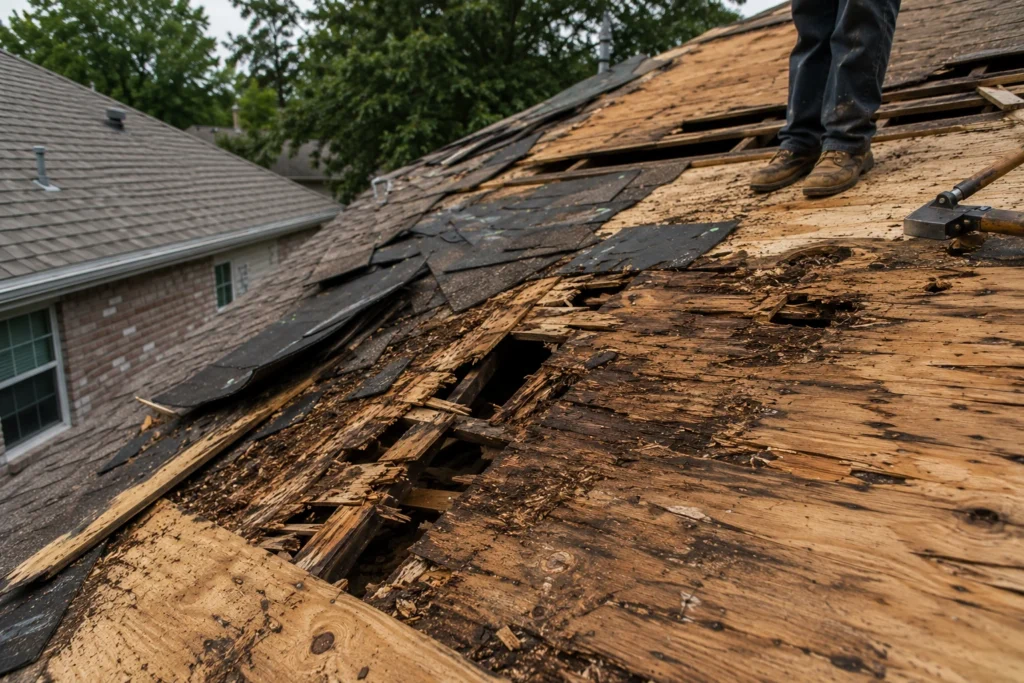
Hail Damage Claim Supplements: What Carriers Miss in Their Scope is one of the biggest issues homeowners face after severe storms. And honestly, most people never realize how much gets overlooked until repairs actually begin. That’s the problem. The initial insurance scope may look complete on paper. Pages of line items. Measurements. Pricing. Photos. It feels official. But once contractors start tearing into the roof system, missing items suddenly appear everywhere. Flashing wasn’t included. Drip edge is absent. Ridge ventilation is incomplete. Starter shingles are missing entirely.
Now the homeowner is stuck in the middle. This is exactly why supplementing matters. A properly documented supplement can uncover thousands of dollars in missed repairs and code-required items that carriers initially left out. In storm-heavy areas like Georgetown, these disputes happen constantly after large hail events.
And this is where Xactimate expertise becomes critical. A strong supplement isn’t about inflating a claim. It’s about accuracy. It’s about making sure every damaged component, every labor requirement, and every code-related upgrade is properly accounted for before repairs begin. Let’s break down what carriers commonly miss in their scope and why detailed supplementing changes the outcome so often.
Understanding Hail Damage Claim Supplements
A supplement is simply an additional request for payment after new damage, missing items, or required repairs are identified. Simple concept. Massive impact. Most hail claims start with an initial carrier inspection. An adjuster visits the property, documents visible damage, and creates a repair estimate. That estimate becomes the foundation for the claim payment.
But here’s the reality. Initial inspections are often rushed after major storms. Adjusters may inspect dozens of properties per week during catastrophe events. Time becomes limited. Roof access can be difficult. Some inspections are completed from the ground using photos or drone imagery. Others rely heavily on standardized estimating templates. That creates gaps. And those gaps lead directly to supplements.
Why Supplements Happen So Frequently
Several factors contribute to incomplete scopes:
- Limited inspection time
- Hidden roofing system damage
- Missed code requirements
- Incorrect measurements
- Pricing inaccuracies
- Material matching complications
- Incomplete ventilation calculations
- Overlooked flashing systems
None of these issues are rare. In fact, supplement requests are extremely common in hail claims because roofing systems are more complex than many carrier scopes reflect.
Why Initial Carrier Scopes Often Miss Important Items
Most homeowners assume the carrier estimate includes everything needed for repairs. Not always. Some scopes focus only on obvious surface-level damage. But a roof replacement involves far more than shingles alone. Underlayment matters. Ventilation matters. Flashing matters. Water barriers matter. Miss enough of those components and the homeowner ends up underpaid. Here’s a quick example of commonly overlooked items:
| Frequently Missed Item | Why It Matters |
| Starter shingles | Required for wind resistance |
| Drip edge | Protects roof edges from water intrusion |
| Ridge vent | Maintains attic ventilation |
| Step flashing | Prevents wall leaks |
| Ice and water shield | Adds moisture protection |
| Pipe jack flashing | Seals plumbing penetrations |
| Steep charges | Covers additional labor difficulty |
Missing just a few of these line items can create a major financial gap. And the homeowner usually doesn’t discover the problem until construction starts.
The Role of Xactimate in Hail Supplements
Xactimate drives the insurance restoration industry. It’s the estimating software used by carriers, adjusters, contractors, and public adjusters to calculate repair costs. Pricing databases update regularly based on regional labor and material costs. Sounds straightforward. But expertise inside Xactimate matters enormously.
Two people can inspect the exact same roof and produce dramatically different estimates based on:
- Measurement accuracy
- Line item selection
- Labor assumptions
- Waste calculations
- Roofing complexity
- Local code interpretation
That’s where supplement disputes begin.
Why Xactimate Expertise Changes Outcomes
Experienced estimators understand how roofing systems actually function together. They know when a steep charge applies. They know how starter shingles should be calculated.
They know ventilation requirements. They understand manufacturer installation standards. That level of detail creates more accurate scopes. And accurate scopes matter because carriers frequently challenge unsupported supplement requests.
Strong supplements require:
- Detailed line-item justification
- Supporting photos
- Code references
- Measurement verification
- Manufacturer documentation
- Proper labor calculations
Weak documentation gets denied quickly.
Common Xactimate Errors Found in Carrier Scopes
Some mistakes appear repeatedly across hail claims. Not occasionally. Constantly.
Incorrect Roof Measurements
This one causes huge problems.
Even small square discrepancies affect:
- Shingle quantities
- Underlayment totals
- Waste calculations
- Ridge cap measurements
- Starter requirements
An inaccurate roof sketch can reduce claim payments significantly.
Missing Starter Shingles
Starter shingles are essential for edge sealing and wind resistance. Yet many initial scopes omit them entirely. That creates an immediate pricing gap because manufacturers typically require starter installation during full replacements.
Underestimated Waste Factors
Roof complexity matters. Valleys, hips, dormers, penetrations, and steep slopes all increase material waste. Generic waste percentages often fail to reflect real-world installation conditions. And contractors absorb those costs unless supplements correct the estimate.
Missing Flashing Components
Flashing protects vulnerable transition points around:
- Chimneys
- Skylights
- Walls
- Pipes
- Valleys
If flashing is damaged or disturbed during replacement, it often requires replacement as well.Drip Edge
Carriers sometimes overlook this entirely.
Roofing Components Carriers Frequently Miss
Roofing systems are layered systems. Not just shingles nailed onto decking. And this is where many supplement battles begin.
Drip Edge
Drip edge helps guide water away from fascia and roof decking. Simple component. Big protection. Older roofs may not have had drip edge installed originally. But many jurisdictions now require it during replacement projects. If code requires installation, it belongs in the supplement.
Ice and Water Shield
Certain roof areas require additional moisture barriers.
Especially around:
- Valleys
- Penetrations
- Low slopes
Some carrier scopes include only minimal underlayment despite code or manufacturer requirements calling for upgraded protection.
Ridge Vent Systems
Ventilation affects roof lifespan. Poor ventilation traps heat and moisture inside attic spaces, increasing deterioration risks. When full roof systems are replaced, ridge ventilation often requires updating as well. This gets overlooked regularly.
Step Flashing and Counter Flashing
Wall transitions are vulnerable leak zones. Damaged or improperly reinstalled flashing can create water intrusion long after the hailstorm ends. Detailed supplements typically document these areas carefully because repairs often require additional labor and material costs.
Exterior Damage Beyond the Roof
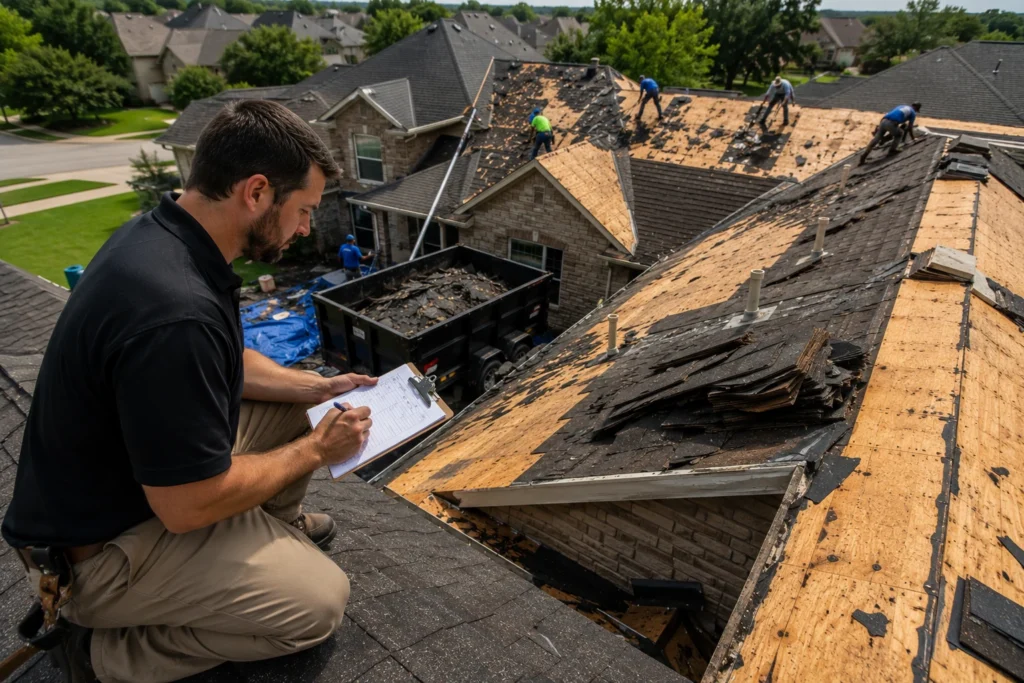
Hail rarely damages only shingles. Collateral damage matters. And identifying that damage strengthens the claim significantly.
Gutters and Downspouts
Dented gutters may still function temporarily. But cosmetic damage can still affect property value and long-term performance. Carriers sometimes minimize this damage.
Detailed photo documentation becomes essential.
Window Screens and Soft Metals
Soft metals often reveal hail impact clearly.
That includes:
- Window screens
- Metal vents
- Flashing
- Gutters
- Downspouts
- AC fins
These items help establish storm severity. And they often support roof damage arguments during disputed claims.
HVAC Damage
Air conditioning systems take direct hits during hailstorms. Condenser fins may bend or restrict airflow. Functional testing may become necessary to determine long-term system impact. Many initial scopes ignore HVAC damage completely.
Why Code Upgrades Matter So Much
Code compliance changes everything during supplements. Because repairs cannot legally ignore current building requirements.
Ordinance and Law Coverage
This coverage helps pay for code-required upgrades when repairs trigger modern construction requirements.
That may include:
- Drip edge installation
- Ventilation upgrades
- Underlayment improvements
- Deck attachment standards
Without proper documentation, those items may never appear in the carrier estimate.
Georgetown Roofing Considerations
In Georgetown, roofing repairs may involve local permit and inspection requirements that affect supplement calculations. That’s important.
Regional building enforcement standards influence:
- Material requirements
- Ventilation standards
- Installation methods
- Inspection procedures
And local experience helps identify which items carriers commonly overlook in Georgetown hail claims.
Why Documentation Determines Supplement Success
Documentation wins supplement negotiations.
Not emotion.
Not frustration.
Not angry phone calls.
Evidence matters.
The Best Supplement Packages Include:
- Wide-angle roof photos
- Close-up hail impacts
- Collateral damage images
- Measurement reports
- Code references
- Manufacturer specifications
- Weather verification reports
The stronger the documentation, the harder it becomes for carriers to dismiss the supplement.
Weather Reports Matter
Storm verification strengthens causation arguments.
Good supplement files often include:
| Documentation Type | Purpose |
| Hail reports | Verifies storm severity |
| Radar data | Confirms storm path |
| Weather timelines | Supports damage date |
| Photo timestamps | Establishes inspection timing |
Small details create stronger claims. Advanced inspections sometimes involve reviewing structural movement patterns similar to concepts studied in Tribology, especially when analyzing long-term material wear and surface impact behavior after severe hailstorms.
The Supplement Negotiation Process
Supplementing is not random back-and-forth arguing. At least it shouldn’t be. Strong supplement negotiations follow a structured process.
Step 1: Review the Carrier Scope
Every line item gets evaluated carefully.
Questions include:
- Are measurements accurate?
- Are all roof sections included?
- Were code items omitted?
- Are steep charges missing?
- Are flashing systems addressed?
This review stage often uncovers major gaps quickly.
Step 2: Build the Supplemental Estimate
This is where Xactimate expertise becomes valuable.
The supplemental estimate should include:
- Accurate line items
- Supporting pricing
- Material calculations
- Labor requirements
- Photo references
- Code documentation
Organization matters here. A messy supplement package weakens credibility immediately.
Step 3: Submit Supporting Documentation
Strong supplements typically include:
- Estimate summaries
- Roofing diagrams
- Inspection photos
- Code references
- Manufacturer specifications
- Contractor reports
The goal is clarity. Not overload.
Step 4: Carrier Reinspection
Reinspections often occur after supplements are submitted. Preparation becomes critical.
Contractors or public adjusters should be ready to:
- Walk damaged areas
- Explain missing items
- Present documentation
- Discuss code requirements
- Support pricing differences
Weak preparation creates weak outcomes.
Step 5: Final Negotiation
Not every item gets approved instantly.
Some negotiations involve:
- Partial approvals
- Pricing revisions
- Scope adjustments
- Additional documentation requests
Patience matters here. Detailed evidence usually carries more weight than aggressive arguing.
Why Supplements Get Rejected
Not all supplement requests succeed. And honestly, many rejections happen because documentation is weak from the beginning.
Common Rejection Reasons
Incomplete Photos
Blurry photos. Missing angles. No close-ups. No overview images. That creates credibility problems immediately.
Unsupported Pricing
Carriers want justification for pricing differences. Without supporting evidence, they may reject labor or material increases.
Incorrect Line Items
Xactimate requires proper categorization. Using incorrect line items weakens the supplement and signals inexperience.
Missing Code Support
Simply stating “code requires this” isn’t enough. Good supplements include actual references from local building standards or manufacturer requirements. Homeowners searching online for What to Do If Your Hail Claim Was Denied in Georgetown, TX often discover that incomplete scopes, missing documentation, and weak supplement preparation are among the biggest reasons claims become delayed or underpaid.
Why Local Experience Matters in Georgetown

Every region handles claims differently. Weather patterns differ. Roofing materials differ. Labor markets differ. That affects supplement strategy.
Central Texas Storm Patterns
Georgetown experiences severe hail activity capable of damaging:
- Asphalt shingles
- Metal roofing
- Gutters
- Skylights
- HVAC systems
- Siding
Wind-driven storms also complicate damage patterns. Understanding those local storm behaviors helps during inspections and negotiations.
Local Pricing Knowledge Matters
Material and labor costs shift constantly.
Regional familiarity helps estimators understand:
- Roofing labor rates
- Material availability
- Permit fees
- Disposal costs
- Market volatility
Accurate local pricing improves supplement credibility.
Familiarity With Carrier Patterns
Some carriers repeatedly dispute the same items. Experienced supplement professionals often recognize recurring patterns involving:
- Drip edge exclusions
- Ventilation disagreements
- Flashing denials
- Waste factor disputes
- Code upgrade resistance
That experience helps prepare stronger documentation upfront.
What Homeowners Should Do Before Filing Supplements
Timing matters after hailstorms. The earlier documentation begins, the stronger the claim position usually becomes.
Schedule Detailed Inspections Early
Waiting creates problems.
Delays can affect:
- Damage visibility
- Repair timelines
- Weather exposure
- Documentation quality
Early inspections create cleaner evidence.
Keep Every Claim Document
Organization matters more than most homeowners realize.
Save:
- Carrier estimates
- Emails
- Claim numbers
- Inspection notes
- Photos
- Invoices
- Approval letters
These records become valuable during supplement negotiations.
Avoid Rushed Settlement Decisions
Some homeowners accept initial payments assuming the scope is complete. That can create serious problems later. Once repairs begin, missing items often appear quickly. Supplement opportunities become harder if major decisions were rushed early in the claim process.
Signs the Carrier Scope May Be Incomplete
Certain red flags appear repeatedly.
Warning Signs Include:
- Extremely low settlement values
- Missing flashing items
- No ventilation components
- Minimal waste percentages
- No starter shingles
- No drip edge
- Missing steep charges
- No code-related upgrades
If multiple items are absent, the scope likely deserves deeper review.
How Public Adjusters Help With Supplements
Public adjusters focus on policyholder representation. That changes the dynamic.
Instead of relying solely on the carrier’s scope, homeowners gain an independent evaluation of:
- Damage
- Pricing
- Code requirements
- Scope completeness
Areas Public Adjusters Commonly Assist With
| Service Area | Why It Matters |
| Scope review | Identifies missing items |
| Documentation | Strengthens evidence |
| Xactimate estimating | Improves pricing accuracy |
| Negotiation | Helps resolve disputes |
| Reinspection support | Explains supplement requests |
The goal is accuracy. Not exaggeration. Strong supplementing ensures the claim reflects the true repair scope required to restore the property properly.
Questions Homeowners Should Ask Before Hiring Help
Not every contractor or claim professional approaches supplements the same way. Experience matters.
Ask questions like:
- How familiar are you with Xactimate?
- Have you handled Georgetown hail claims before?
- How do you document supplements?
- Do you provide detailed estimates?
- How do you support code-related items?
Detailed answers usually reveal experience quickly.
Advanced Supplement Strategies That Often Increase Claim Accuracy
Most homeowners think supplements end once missing shingles or flashing items are added. Not even close. Some of the largest claim differences come from advanced scope review strategies that many carriers initially overlook during fast-paced catastrophe inspections. This is where detailed Xactimate expertise becomes incredibly valuable. Because complex roofing systems involve layers of interconnected materials and labor requirements that cannot always be identified during a short initial inspection.
Tear-Off Complexity Charges
Roof tear-offs vary dramatically.
A simple single-story roof differs enormously from:
- Multi-level roofing systems
- Steep pitch structures
- Cut-up roofs with multiple valleys
- Heavily penetrated roofs
- Tile-to-shingle transition areas
Complex tear-offs require additional labor, safety setup, disposal effort, and staging coordination. Yet many initial scopes apply generalized labor assumptions that fail to reflect actual jobsite conditions. That creates underpayment issues quickly.
High Roofing Access Challenges
Access affects labor costs significantly.
Homes with:
- Limited driveway access
- Tight lot lines
- Landscaping restrictions
- Fence obstacles
- Multi-story elevations
often require additional labor planning and material handling. Those challenges influence production speed, debris removal, and installation logistics. Detailed supplements frequently document these access limitations because they directly impact repair costs.
Matching Issues Create Major Supplement Disputes
One overlooked issue creates massive claim disagreements every year. Matching. And homeowners rarely understand how complicated matching disputes can become until repairs begin.
When Materials Cannot Match
Older roofing systems may contain discontinued shingles or faded materials that no longer match available products. This creates serious problems. Partial repairs may leave obvious color variations across roof slopes, reducing curb appeal and potentially affecting resale value.
Supplement negotiations may involve:
- Discontinued product documentation
- Manufacturer verification letters
- Brittle test results
- Uniform appearance discussions
These disputes become especially important when policies contain matching provisions or state regulations addressing reasonably uniform appearance standards.
Siding Matching Problems
Siding claims create even larger complications. Sun exposure changes siding color over time. Older materials fade gradually, making exact replacement nearly impossible years later. Even if the same product technically exists, the color difference may remain extremely visible.
Detailed supplement packages often include:
| Matching Documentation | Why It Helps |
| Manufacturer letters | Verifies discontinued products |
| Photo comparisons | Shows visible mismatch |
| Contractor reports | Explains repair limitations |
| Test samples | Demonstrates color variation |
Strong evidence improves negotiation leverage significantly.
Why Roof Layers Matter During Supplements
Layer count affects everything. Labor. Disposal. Deck exposure. Installation time. And many carrier scopes fail to account for multiple roofing layers discovered during tear-off.
Multiple Layer Tear-Off Costs
Older homes sometimes contain:
- Two layers of shingles
- Overlay systems
- Mixed roofing materials
- Hidden underlayment damage
Removing extra layers requires:
- Additional dump fees
- More labor hours
- Longer project timelines
- Increased cleanup effort
These costs add up quickly. If discovered during construction, supplements may become necessary immediately.
Decking Damage Often Appears Late
This issue surprises homeowners constantly. Roof decking may appear stable externally while hidden moisture damage exists underneath the roofing system.
Once shingles are removed, contractors sometimes discover:
- Rotting decking
- Delamination
- Soft spots
- Nail-holding failure
- Structural deterioration
Those conditions cannot always be verified during the original inspection. That’s why supplemental decking requests happen frequently during hail claims.
Manufacturer Requirements Influence Supplements

Manufacturer installation standards matter more than many homeowners realize. Because roofing warranties often depend on proper installation procedures.
Why Installation Specifications Matter
Manufacturers may require:
- Specific starter installation
- Approved ventilation ratios
- Particular fastener spacing
- Ice barrier placement
- Ridge cap installation methods
Ignoring those requirements can void warranty protection. And if repairs require compliance with manufacturer specifications, those costs may belong within the supplement scope.
Fastener Requirements Get Missed Often
Wind zones influence fastening requirements.
Some roofs require:
- Additional nails per shingle
- Enhanced fastening patterns
- Upgraded attachment methods
These small details dramatically affect labor calculations inside Xactimate. Yet they are frequently overlooked during quick carrier inspections.
Interior Damage Can Expand Supplements
Hail claims sometimes extend far beyond exterior repairs. Interior damage appears more often than homeowners expect.
Leak-Related Interior Damage
Once roofing systems are compromised, water intrusion can affect:
- Ceilings
- Insulation
- Drywall
- Flooring
- Paint
- Trim
- Electrical systems
Some leaks remain hidden temporarily before stains become visible weeks later. That creates additional supplement complexity.
Moisture Mapping and Inspection
Advanced inspections may involve:
- Moisture meters
- Thermal imaging
- Attic inspections
- Insulation assessments
These tools help identify hidden damage that basic visual inspections may miss initially. Detailed documentation becomes extremely important when interior damage develops after the original scope was completed.
Final Thoughts
Hail Damage Claim Supplements: What Carriers Miss in Their Scope continues to be one of the most important parts of modern roof insurance claims. Because incomplete scopes happen constantly. And those missing items create real financial consequences for homeowners. A roof replacement involves far more than shingles alone. Ventilation systems, flashing components, code upgrades, starter materials, and protective barriers all play critical roles in long-term roof performance. When those items are excluded from the carrier estimate, supplementing becomes necessary.
That’s where documentation changes everything. Strong photos. Accurate measurements. Detailed Xactimate estimating. Code references. Organized evidence. Those factors consistently produce stronger supplement outcomes.
For homeowners dealing with hail claims in Georgetown, understanding the supplement process can make the difference between a partial repair budget and a properly funded restoration project. And when carrier scopes miss critical items, experienced supplement review often uncovers exactly where the gaps exist. Because at the end of the day, accurate claims protect homeowners. And accuracy is what supplements are supposed to achieve.
FAQs
A hail damage claim supplement is an additional request for payment when important repair items were missed in the original insurance estimate.
Carrier inspections are often completed quickly after storms, which can lead to overlooked roofing components, code upgrades, and labor costs.
Xactimate is estimating software used to calculate repair pricing, labor, and materials for insurance restoration projects.
Starter shingles, drip edge, flashing, ridge vents, and underlayment are among the most commonly overlooked items.
Yes. Properly documented supplements can add missing repair costs that were not included in the initial carrier estimate.
Strong supplements use photos, measurements, weather reports, code references, and contractor documentation to support the request.
Current building codes may require upgraded materials or installation methods during roof replacement, increasing repair costs.
Denied supplements may require additional documentation, reinspections, or negotiation to resolve missing scope disputes.
The timeline varies depending on documentation quality, carrier response time, and the complexity of the repairs involved.
Local professionals often understand regional storm patterns, pricing conditions, and common carrier disputes in Georgetown.