
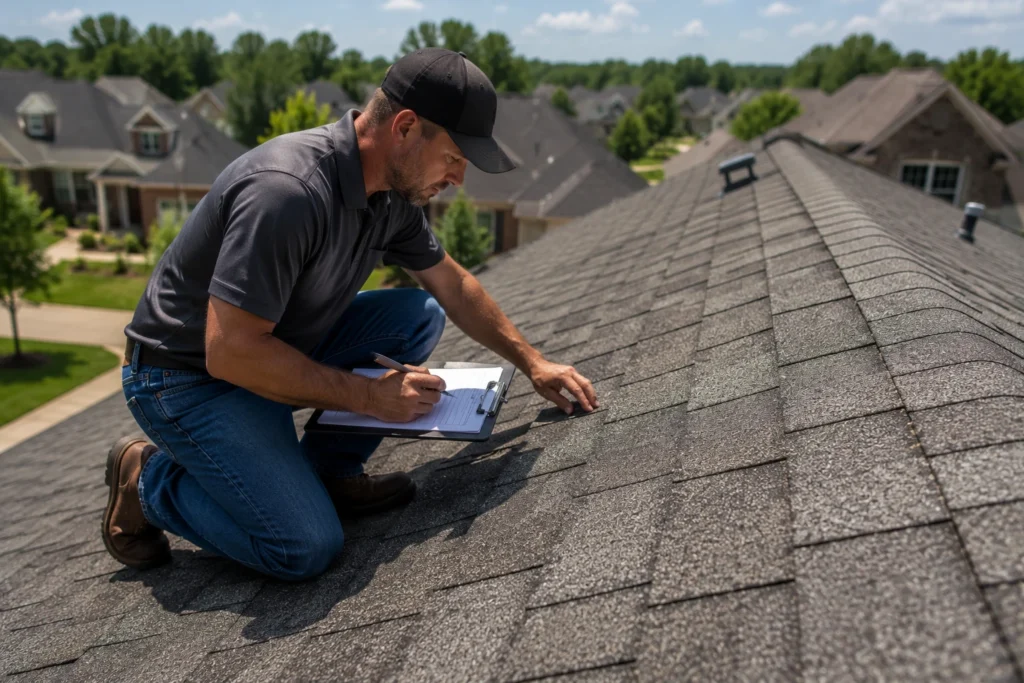
A denied hail claim can feel like a punch to the gut. One day you’re dealing with storm damage. The next, your insurance carrier sends a letter saying the damage “does not qualify” for coverage. Frustrating? Absolutely. For many homeowners searching for What to Do If Your Hail Claim Was Denied in Georgetown, TX, the situation becomes overwhelming fast. Roofing contractors may say the roof clearly has hail damage, while the insurance company says otherwise. Adjusters may disagree with each other. Paperwork piles up. Stress climbs.
And here’s the reality most homeowners discover too late: a denied hail claim is not always the final answer. In Texas, especially after large storm events, disputes over hail damage happen constantly. Some claims are denied because evidence is weak. Others are denied because inspections missed critical damage. Some are delayed so long that homeowners give up entirely.
That’s exactly why understanding your next move matters. This guide breaks down the real-world steps homeowners can take after a hail claim denial. We’ll cover documentation, appeals, inspections, supplements, Texas insurance rules, and how to strengthen your position if your insurer refuses to pay fairly. If you’re dealing with roof damage in Georgetown, this article will help you move forward strategically instead of emotionally.
Why Hail Claims Get Denied So Often in Texas
Texas sees some of the most aggressive hail activity in the country. Central Texas storms can produce severe roof damage in just minutes. But despite that reality, denials happen every day.
Why? Because insurance companies require proof. Detailed proof. And many homeowners simply aren’t prepared for how technical the process becomes.
Insurance Carriers Require Strong Documentation
Insurance companies do not automatically approve claims because hail occurred nearby.
They want evidence connecting:
- The storm
- The date of loss
- The roof damage
- The repair necessity
- The policy coverage
If any link in that chain appears weak, disputes begin.
Some of the most common documentation problems include:
- Limited roof photos
- No collateral damage evidence
- Missing weather verification
- Delayed inspections
- Incomplete contractor reports
- Poor communication records
Weak documentation creates opportunities for denial.
Common Reasons Hail Claims Are Denied
Most denial letters follow similar patterns. Here are some of the most common reasons insurers reject hail claims:
| Denial Reason | What It Usually Means |
| Wear and tear | Carrier says damage developed over time |
| Cosmetic damage only | Insurer argues functionality wasn’t affected |
| Improper maintenance | Roof allegedly lacked upkeep |
| No storm-created opening | Carrier disputes leak causation |
| Damage below deductible | Estimated repair costs too low |
| Pre-existing damage | Damage allegedly existed before storm |
Sometimes those explanations are valid. Sometimes they’re not. That’s why homeowners investigating What to Do If Your Hail Claim Was Denied in Georgetown, TX need to focus on evidence instead of frustration.
Roofing Material Matters More Than Most Homeowners Realize
Different roofs respond differently to hail impacts.
For example:
- Asphalt shingles may show bruising or granule loss
- Metal roofs may dent visibly
- Tile roofs can crack internally without obvious surface damage
An inexperienced inspection can easily miss those distinctions. That creates disputes quickly.
First Steps to Take After Your Hail Claim Gets Denied
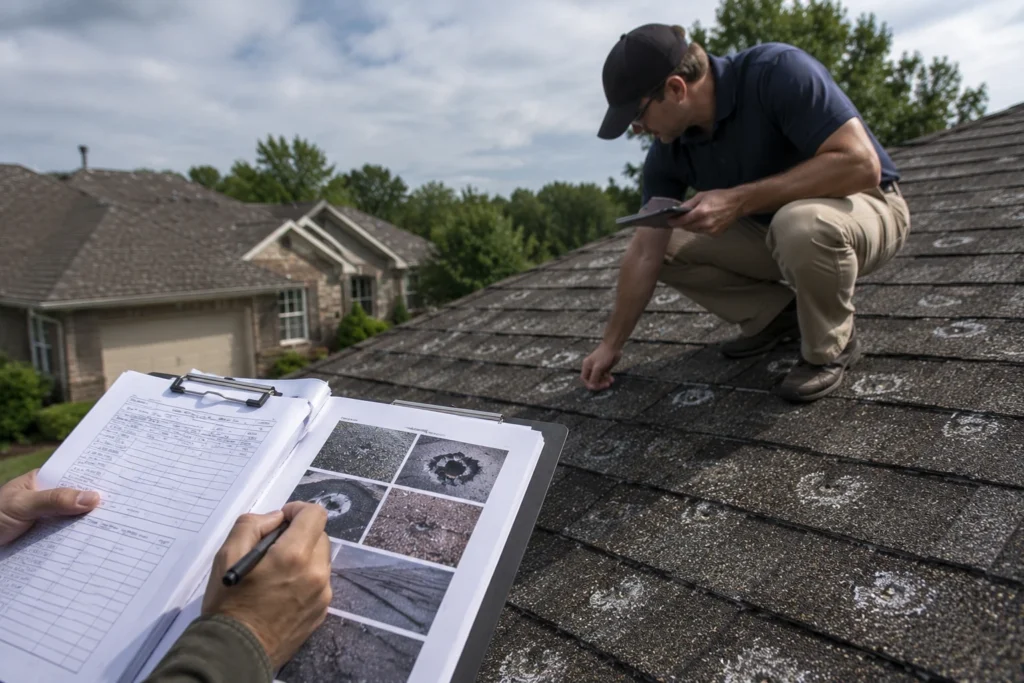
The first few days after receiving a denial letter matter a lot. This is where many homeowners accidentally damage their own case. Stay organized. Stay patient. Stay strategic.
Read the Denial Letter Carefully
Do not skim it.
Read every line.
Identify:
- The stated reason for denial
- Any policy sections referenced
- Inspection conclusions
- Exclusions mentioned
- Deadlines or appeal instructions
Look for vague wording like:
- “No functional damage observed”
- “Wear-related deterioration”
- “Insufficient storm-related findings”
Those phrases matter because they often reveal where disputes exist.
Request a Complete Copy of Your Policy
Many homeowners never read their full insurance policy until after a denial. That’s a mistake.
You need to review:
- Deductibles
- Cosmetic exclusions
- Matching limitations
- Ordinance and law coverage
- Roof payment schedules
- Actual cash value vs replacement cost terms
Some policies drastically limit roof payouts.
Others provide broader coverage than homeowners realize.
Build a Claim Documentation Folder
Organization becomes power during disputes.
Create a dedicated folder for:
- Inspection reports
- Contractor estimates
- Roof photos
- Weather records
- Emails
- Claim letters
- Adjuster notes
- Phone logs
Simple organization often separates successful appeals from failed ones.
Avoid Permanent Repairs Too Early
Emergency mitigation is fine. Permanent repairs before documentation is complete can become a serious problem.
Insurance companies may argue:
- Damage cannot be verified anymore
- Repair scope changed
- Evidence was altered
Temporary tarping is usually acceptable. Full replacement before dispute resolution often is not.
How to Properly Document Hail Damage
Good documentation changes everything. Weak documentation weakens leverage immediately.
Take Comprehensive Roof Photos
Not random photos. Systematic photos.
Capture:
- Entire roof slopes
- Close-up hail impacts
- Damaged vents
- Flashing
- Ridge caps
- Gutters
- Soft metal components
Use wide-angle and close-up images together. Consistency matters.
Document Collateral Damage
Collateral damage strengthens causation arguments significantly.
Inspect:
- Downspouts
- Window screens
- HVAC fins
- Garage doors
- Fences
- Siding
- Outdoor furniture
If surrounding materials show impacts, it becomes harder for insurers to dismiss storm severity.
Gather Local Weather Data
Storm verification matters more than homeowners think.
Helpful records include:
- NOAA storm reports
- Local hail maps
- Radar archives
- Hail size reports
- Wind speed documentation
This type of evidence helps support timing and causation. During disputes involving What to Do If Your Hail Claim Was Denied in Georgetown, TX, storm verification can become extremely important.
How to Document Hail Damage for an Insurance Claim
Strong documentation can completely change the direction of a denied claim dispute. Homeowners should photograph every visible impact point, gather storm-date weather reports, save repair receipts, and request detailed contractor inspection notes. The more organized and specific the evidence becomes, the harder it is for an insurance carrier to dismiss legitimate storm-related roof damage.
Get a Detailed Roof Inspection
Not all roof inspections are equal.
Some inspections last 15 minutes.
Others involve:
- Slope-by-slope analysis
- Test squares
- Moisture readings
- Photo documentation
- Material identification
- Code compliance review
Detailed inspections create stronger claim support. Some advanced roofing evaluations may even involve surface impact analysis methods similar to principles studied in Tribology, especially when inspectors assess how repeated hail impacts affect roofing materials over time.
Understanding the Insurance Adjuster’s Perspective
This part matters. Homeowners often assume adjusters automatically work against them. The reality is more complicated.
Adjusters Work Under Time Pressure
After large hail events, adjusters may inspect:
- Multiple homes daily
- Different roof types
- Severe damage zones
- Hundreds of claims weekly
That pace creates inconsistencies. Some inspections are thorough. Others are rushed.
Different Adjusters May Reach Different Conclusions
Two adjusters can inspect the same roof and disagree completely.
Why?
Because:
- Experience levels vary
- Damage interpretation varies
- Carrier guidelines vary
- Inspection time varies
That’s one reason denied claims sometimes reverse later.
Commonly Missed Roofing Components
Many denied or underpaid claims involve missing line items. Frequently overlooked components include:
| Commonly Missed Item | Why It Matters |
| Drip edge | Supports water drainage |
| Flashing | Prevents leak intrusion |
| Starter shingles | Critical for wind resistance |
| Ridge caps | Protect roof transitions |
| Ventilation upgrades | May be code-required |
| Underlayment | Secondary moisture barrier |
Missing items create serious repair budget gaps.
Xactimate Often Drives Pricing Disputes
Many insurers use estimating software called Xactimate.
Contractors may disagree with:
- Material pricing
- Labor pricing
- Waste calculations
- Code requirements
- Scope limitations
Those disagreements often become supplement disputes later.
How to Appeal a Denied Hail Claim
This is where preparation becomes critical. Emotion alone rarely changes outcomes. Evidence does.
Request a Reinspection
Reinspections happen frequently after denials.
Before requesting one:
- Organize all documentation
- Mark damage areas clearly
- Gather contractor reports
- Prepare weather evidence
A stronger second inspection can shift claim direction entirely.
Submit Additional Supporting Evidence
The goal is simple: Strengthen causation and repair necessity.
Helpful evidence may include:
- Drone photography
- Moisture scans
- Engineering reports
- Contractor analysis
- Manufacturer specifications
- Code requirement documentation
The stronger the documentation package becomes, the harder it is to dismiss.
Write a Formal Dispute Letter
Professionalism matters.
Your dispute letter should include:
- Claim number
- Property address
- Storm date
- Denial reason
- Supporting evidence summary
- Request for reconsideration
Keep emotions out of it. Focus on facts.
Maintain a Communication Log
This gets overlooked constantly.
Track:
- Phone calls
- Emails
- Adjuster visits
- Claim numbers
- Supervisor names
- Dates
- Promises made
A communication journal becomes extremely useful during escalations.
Mistakes Homeowners Make After a Denial
Bad decisions after denial can weaken even legitimate claims.
Waiting Too Long
Deadlines matter.
Policies often contain:
- Reporting deadlines
- Appeal deadlines
- Documentation requirements
Delays create problems quickly.
Accepting the First Denial Without Investigation
Many homeowners stop after receiving one denial letter. That can be costly.
Legitimate claims sometimes reverse after:
- Reinspection
- Supplemental documentation
- Public adjuster involvement
- Engineering reviews
Hiring Contractors Who Focus Only on Sales
Some contractors prioritize closing deals over documentation quality. That hurts disputes.
Strong claim support requires:
- Detailed inspections
- Organized evidence
- Accurate measurements
- Clear reporting
Throwing Away Damaged Materials
Keep damaged materials whenever possible.
That includes:
- Broken shingles
- Cracked vents
- Damaged flashing
Physical evidence can help later.
Posting Too Much Online
Social media creates unexpected problems. Insurers sometimes review public posts during disputes.
Be careful about:
- Claim discussions
- Property condition photos
- Repair activity posts
When to Hire a Public Adjuster in Georgetown, TX
Not every denial requires outside help. Some absolutely do.
What Public Adjusters Actually Do
A public adjuster works for the policyholder, not the insurance company.
Their role may include:
- Reviewing policy language
- Inspecting damage
- Preparing estimates
- Organizing evidence
- Negotiating claim disputes
- Supporting supplements
This can become valuable during complex hail disputes.
Signs You May Need Professional Assistance
Homeowners often seek help when:
- The roof replacement was denied entirely
- Damage estimates conflict heavily
- Communication stalls
- Large repair costs are involved
- Multiple inspections disagree
- Supplemental disputes escalate
These situations become difficult to manage alone.
How Public Adjusters Strengthen Claims
Strong claim presentation matters.
Public adjusters often focus heavily on:
- Detailed documentation
- Policy interpretation
- Scope completeness
- Evidence organization
- Negotiation support
For homeowners researching What to Do If Your Hail Claim Was Denied in Georgetown, TX, professional representation sometimes changes the direction of the dispute significantly.
Questions to Ask Before Hiring a Public Adjuster
Always verify:
- Texas licensing
- Experience with hail claims
- Fee structure
- Documentation process
- Local claim experience
Ask direct questions. Good professionals welcome them.
Understanding Supplements and Reopened Claims
Many homeowners think denied claims are permanently closed. Not always.
What Is a Supplement?
A supplement is an additional request for repair costs not included initially.
Supplements often involve:
- Hidden damage
- Code upgrades
- Material shortages
- Additional labor requirements
Common Supplemental Items
Frequently added supplemental items include:
| Supplemental Item | Why It Gets Missed |
| Flashing replacement | Hidden beneath materials |
| Ice and water barriers | Code compliance requirements |
| Ventilation upgrades | Older systems fail modern code |
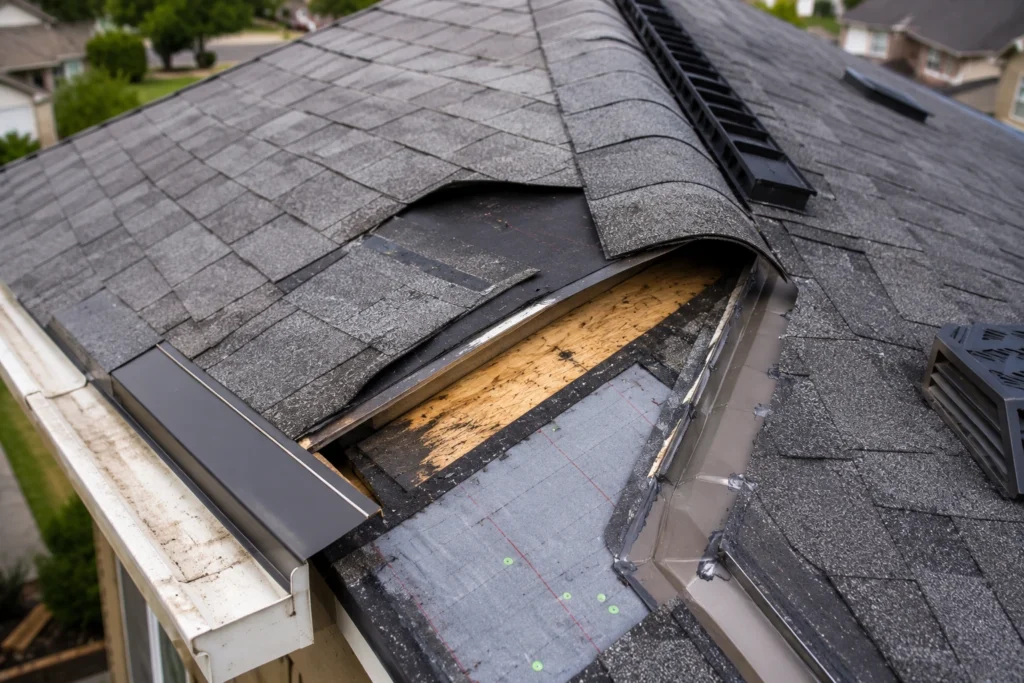
| Decking replacement | Hidden until tear-off |
| Underlayment replacement | Secondary moisture protection |
Supplements are extremely common in roofing claims.
Reopened Claims May Be Possible
Some claims reopen when:
- New evidence appears
- Additional damage is discovered
- Repairs expose hidden issues
- Initial inspections were incomplete
Documentation becomes essential again here.
Texas Insurance Rules Homeowners Should Understand
Texas has consumer protection laws affecting claim handling.
Understanding them helps homeowners navigate disputes more confidently.
Insurance Companies Must Handle Claims in Good Faith
Carriers are expected to:
- Investigate claims reasonably
- Communicate promptly
- Explain denials clearly
- Process claims fairly
That does not guarantee approval.
But standards still exist.
Prompt Payment Rules Matter
Texas claim timelines often involve:
- Claim acknowledgment deadlines
- Investigation timelines
- Payment response windows
Long unexplained delays can create additional concerns.
Filing a Complaint With the Texas Department of Insurance
Sometimes escalation becomes necessary.
Complaints may involve:
- Communication failures
- Unexplained delays
- Disputed inspections
- Unclear denials
Documentation strengthens complaints substantially.
Preventing Future Hail Claim Problems
Preparation before storms matters more than most homeowners realize.
Schedule Annual Roof Inspections
Routine inspections create baseline records.
That helps establish:
- Roof condition before storms
- Existing wear levels
- Maintenance history
Documentation before damage occurs becomes powerful later.
Keep Maintenance Records
Save:
- Repair invoices
- Inspection reports
- Upgrade receipts
- Contractor photos
Small records become valuable evidence.
Consider Impact-Resistant Roofing Materials
Some roofing systems handle hail better than others.
Impact-resistant materials may:
- Reduce future damage
- Lower insurance risks
- Improve long-term durability
Ask roofing professionals about available ratings.
Review Your Policy Before Storm Season
Many homeowners discover coverage limitations too late.
Review:
- Deductibles
- Cosmetic exclusions
- Roof depreciation terms
- Matching provisions
Clarity before storms reduces surprises later.
Why Local Experience Matters in Georgetown Hail Claims
Local knowledge matters.
A lot.
Central Texas Storm Patterns Create Unique Claim Challenges
Georgetown properties face:
- Sudden hail events
- Wind-driven storms
- Intense heat cycles
- Rapid weather changes
Those conditions affect roof aging and damage patterns differently than other regions.
Local Building Codes Affect Repairs
Code requirements influence:
- Ventilation
- Underlayment
- Flashing
- Fastening methods
Missing code-related items can create supplemental disputes later.
Local Professionals Understand Regional Roofing Conditions
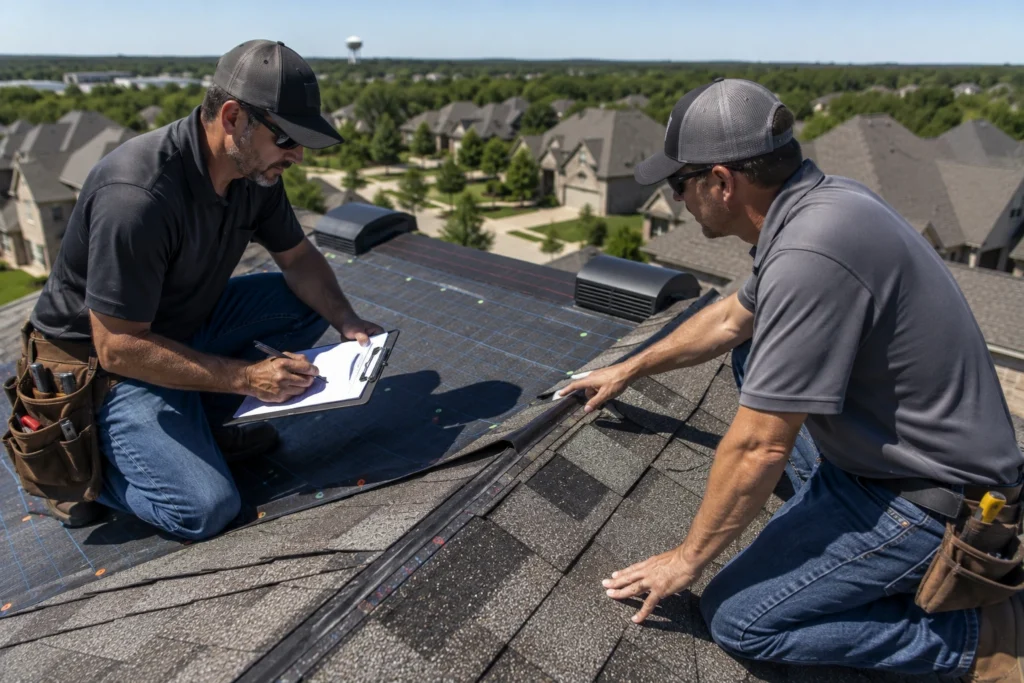
Experienced Georgetown professionals often understand:
- Regional material performance
- Local labor pricing
- Storm frequency
- Insurance claim trends
That familiarity can strengthen documentation quality significantly. For homeowners searching online for What to Do If Your Hail Claim Was Denied in Georgetown, TX, local experience often becomes a major advantage during complex disputes. Georgetown homeowners dealing with repeated storm exposure should also understand that roof systems age differently depending on ventilation quality, attic heat buildup, and prior repair history. Those factors frequently influence how insurance carriers evaluate whether hail damage is truly storm-related or simply part of normal aging.
Final Thoughts
A denied hail claim can feel discouraging. Sometimes infuriating. But denial does not automatically mean the damage is unsupported or the case is over. Strong documentation changes outcomes. Professional inspections matter. Organized communication matters. Persistence matters too.
Homeowners who approach disputes strategically often place themselves in much stronger positions than those who react emotionally or abandon the process entirely. If you are dealing with roof damage after a storm, focus on evidence first. Build your documentation carefully. Understand your policy. Keep records organized. Seek experienced guidance when necessary.
And most importantly, remember this: many successful claim resolutions started after an initial denial. That’s why understanding What to Do If Your Hail Claim Was Denied in Georgetown, TX can make a major difference in protecting both your roof and your financial recovery after a severe storm.
FAQs
Insurance companies may deny claims due to insufficient evidence, wear and tear exclusions, late reporting, or disputes about storm-related damage.
Yes. Some claims can be reopened if new evidence, additional inspections, or hidden damage is discovered later.
The timeline depends on your insurance policy and Texas regulations, so review your denial letter and policy immediately.
Absolutely. A detailed independent inspection may identify damage the original adjuster missed.
Roof photos, weather reports, contractor estimates, inspection reports, and communication logs are all valuable evidence.
Yes. Public adjusters work for policyholders and may assist with documentation, negotiations, and claim disputes.
Collateral damage includes dents or impacts on gutters, siding, HVAC units, window screens, and other exterior surfaces.
No. Requesting a reinspection is common when homeowners believe damage was overlooked or undervalued.
Not always. Coverage depends on policy language, deductibles, exclusions, and the insurer’s damage findings.
Avoid making permanent repairs too early, missing deadlines, throwing away damaged materials, or failing to document communication.