
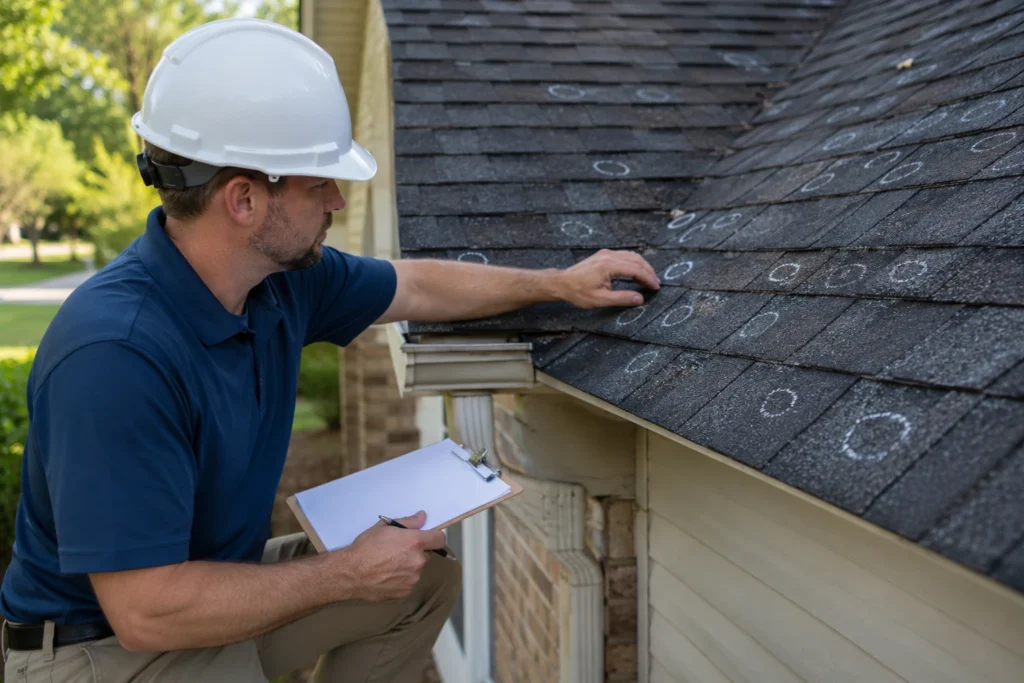
Texas storms do not play around. One strong hailstorm can leave a Georgetown homeowner staring at cracked shingles, dented gutters, scattered debris, and a growing sense of stress about what comes next. Then the insurance process begins. And that’s usually where confusion starts.
The topic of Public Adjuster vs. Insurance Adjuster for Hail Claims in Georgetown, TX has become increasingly important because many homeowners assume both adjusters work toward the same goal. They don’t. Their roles are very different, and those differences can directly affect how much money is approved for repairs, how quickly the claim moves, and how difficult the overall process becomes. I’ve seen homeowners receive one estimate from the insurance company, another from a contractor, and then wonder why the numbers are thousands of dollars apart. That situation is incredibly common after Texas hailstorms.
Some claims go smoothly. Others turn into frustrating battles over missing roofing items, hidden damage, code upgrades, depreciation, or denied repairs. Understanding who represents your interests matters more than most homeowners realize. Let’s break it all down clearly.
Why Hail Claims in Georgetown Often Become Difficult
Georgetown sits in a region of Texas that regularly experiences severe hailstorms, wind events, and sudden weather shifts. Roof systems here absorb years of punishment from intense heat, UV exposure, heavy rain, and hail impacts. That combination creates problems.
Sometimes hail damage is obvious. You can see shattered shingles, broken vents, or visible dents from the driveway. Other times the damage is subtle and develops slowly over time. That’s where homeowners get caught off guard. A roof may appear fine initially while hidden bruising weakens the shingles underneath. Weeks or months later, leaks begin appearing around vents, chimneys, or attic spaces.
Common hail-related roofing issues include:
- Granule loss
- Bruised asphalt shingles
- Cracked tile roofing
- Dented flashing
- Gutter impacts
- Damaged ridge caps
- Torn seal strips
- Water intrusion around penetrations
- Ventilation problems
- Soft metal impacts
Insurance companies also require documentation. And lots of it. That means homeowners suddenly need to understand inspections, repair scopes, depreciation, estimates, and policy language while simultaneously dealing with storm recovery. Most people have never handled a major property claim before. Honestly, it can feel overwhelming fast.
What Is an Insurance Adjuster?
An insurance adjuster works for the insurance company. Their responsibility is to inspect the property, evaluate the damage, estimate repair costs, and determine what the insurance carrier believes should be covered under the policy. That role is important. Insurance adjusters are a normal part of every property claim.
But homeowners should understand something clearly during any discussion involving Public Adjuster vs. Insurance Adjuster for Hail Claims in Georgetown, TX: insurance adjusters represent the carrier’s interests first. That does not automatically mean they are unfair or dishonest. Many work professionally and try to handle claims properly. Still, their employer is the insurance company. That relationship matters.
Types of Insurance Adjusters
There are generally two types homeowners encounter after hailstorms.
Staff Adjusters
These are direct employees of the insurance company. They handle claims full time for the carrier.
Independent Adjusters
These adjusters are third-party contractors hired by insurance companies, especially after large storms when claim volume spikes dramatically. Texas hail events often create thousands of claims simultaneously. Insurance carriers bring in independent adjusters quickly to keep up with demand. That can create rushed inspection schedules.
What Insurance Adjusters Usually Do During Hail Claims
Most insurance adjusters follow a structured inspection process.
That process typically includes:
- Reviewing the reported damage
- Inspecting the roof exterior
- Taking photographs
- Measuring roof sections
- Documenting visible impacts
- Preparing a repair estimate
- Determining covered vs. excluded items
- Submitting findings to the carrier
The insurance company then uses that information to determine settlement amounts. Sounds straightforward. Sometimes it is. But hail claims become complicated when damage is hidden, roofing systems are older, or contractors disagree with the insurance estimate. And that happens often.
Why Homeowners Sometimes Feel Frustrated
One word explains it perfectly. Volume. After major storms, adjusters may inspect several homes every single day. That workload creates pressure to move quickly.
Unfortunately, fast inspections can sometimes miss important details such as:
- Subtle shingle bruising
- Flashing damage
- Underlayment issues
- Ventilation deficiencies
- Water intrusion
- Steep roof complications
- Code upgrade requirements
- Detached accessory damage
Homeowners may not notice those missing items until contractors begin repairs later. That creates disputes. The contractor says additional repairs are necessary. The original insurance estimate may not include them. Suddenly the homeowner feels trapped between competing opinions. This is one reason many people start researching public adjusters.
What Is a Public Adjuster?
A public adjuster represents the policyholder. Not the insurance company. That single distinction defines the entire role. When comparing Public Adjuster vs. Insurance Adjuster for Hail Claims in Georgetown, TX, representation is the biggest difference homeowners need to understand immediately.
Public adjusters work on behalf of homeowners during the claim process. Their job is to advocate for the insured party by documenting damage carefully, interpreting policy language, preparing independent estimates, and negotiating with the insurance company. Instead of handling the process alone, homeowners gain professional assistance focused entirely on their side of the claim. That can make a huge difference during difficult hail disputes.
What Public Adjusters Actually Handle
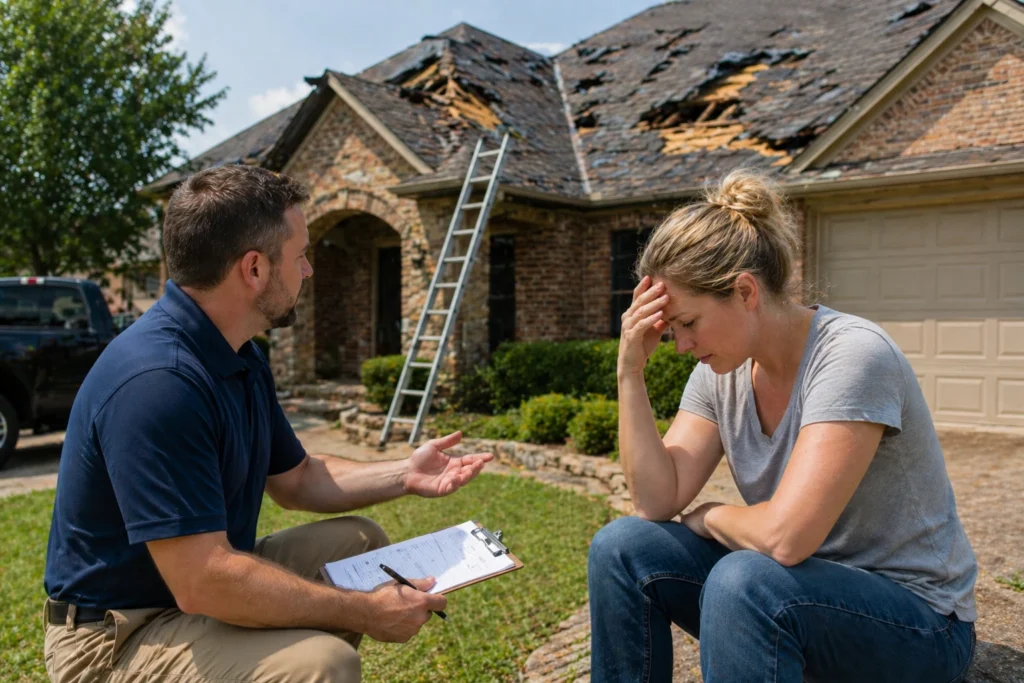
Many homeowners think public adjusters simply inspect roofs. The role is much broader than that.
Experienced public adjusters may help with:
- Detailed property inspections
- Insurance policy review
- Independent repair estimates
- Damage documentation
- Communication with the carrier
- Supplemental claim preparation
- Negotiation support
- Claim organization
- Contractor coordination
- Reinspection requests
They often become the central point of communication throughout the claim process. That reduces stress for homeowners who already feel overwhelmed by storm damage.
Why Georgetown Homeowners Hire Public Adjusters
Not every hail claim requires representation. Some claims resolve quickly and fairly without complications.
But homeowners often seek public adjuster help after experiencing problems such as:
- Denied claims
- Low settlement offers
- Delayed communication
- Confusing insurance language
- Multiple inspection disagreements
- Contractor estimate conflicts
- Hidden damage discoveries
- Large roofing losses
Stress also plays a massive role. Many homeowners simply do not have time to spend hours managing claim paperwork while also coordinating contractors, protecting the home from further damage, and maintaining daily responsibilities. The process becomes emotionally draining.
Public Adjuster vs. Insurance Adjuster for Hail Claims in Georgetown, TX
Here’s the clearest comparison homeowners should understand.
| Category | Insurance Adjuster | Public Adjuster |
| Represents | Insurance company | Policyholder |
| Goal | Evaluate claim cost | Pursue fair settlement |
| Paid By | Insurance carrier | Percentage of recovery |
| Primary Focus | Carrier interests | Homeowner interests |
| Estimate Role | Carrier estimate | Independent estimate |
| Negotiation Role | Limited | Active advocacy |
| Supplemental Claims | Sometimes limited | Frequently pursued |
| Communication | Carrier-directed | Policyholder-directed |
That table explains why claim experiences can vary dramatically depending on who is involved.
Why Representation Changes the Entire Process
Roof claims involve money. Often large amounts of money. That means every inspection detail matters. Imagine negotiating a financial dispute against a company that handles thousands of claims yearly while you’ve never filed a major roof claim before.
That imbalance is real. Public adjusters help level the playing field by understanding roofing systems, repair scopes, policy language, documentation requirements, and negotiation procedures. That expertise becomes especially important during complicated hail claims.
Inspection Differences Can Be Significant
One major difference in Public Adjuster vs. Insurance Adjuster for Hail Claims in Georgetown, TX involves inspection depth. Insurance inspections vary widely depending on workload and adjuster experience.
Public adjusters often conduct more extensive evaluations involving:
- Individual roof slopes
- Collateral damage indicators
- Flashing conditions
- Ventilation systems
- Gutters and downspouts
- Soft metal impacts
- Interior leak signs
- Attic moisture evidence
- Building code issues
Some even use drone photography or moisture detection equipment. That deeper investigation may uncover damages overlooked during the original carrier inspection. Some inspections even involve advanced moisture detection methods and documentation practices similar to structured phenomenology approaches, where investigators carefully analyze observable evidence before drawing conclusions.
Roofing Systems Are More Complex Than Homeowners Expect
Many people think roofing claims only involve shingles. Not even close.
A complete roofing system may include:
- Underlayment
- Flashing
- Ridge vents
- Pipe boots
- Drip edge
- Starter shingles
- Ice barriers
- Roof decking
- Ventilation systems
- Valley liners
- Chimney flashing
Missing just a few items from an estimate can dramatically reduce settlement accuracy. That’s why estimate review matters so much.
Estimating Differences Affect Settlement Amounts
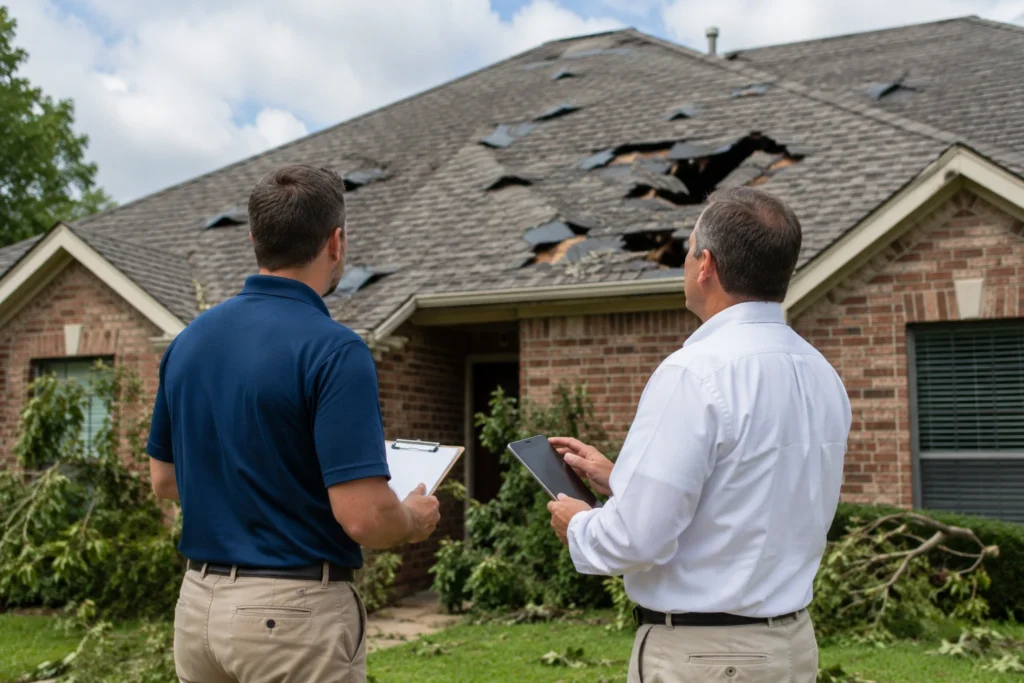
The estimate controls the claim. If the estimate is incomplete, the homeowner may struggle to complete repairs properly.
Commonly disputed roofing items include:
- Steep roof charges
- High-wall fees
- Drip edge installation
- Ridge cap replacement
- Flashing replacement
- Ventilation improvements
- Dumpster fees
- Detach-and-reset items
- Code upgrades
- Starter course replacement
Contractors frequently identify additional costs absent from the original carrier estimate. That’s where supplemental negotiations begin.
The Role of Xactimate in Hail Claims
Most adjusters use Xactimate to prepare estimates. But software alone does not guarantee accuracy.
The estimate still depends on:
- Correct measurements
- Complete line items
- Current material pricing
- Proper labor calculations
- Building code interpretation
- Roofing complexity evaluation
If critical components are omitted, the software still produces an incomplete estimate. That’s why experienced review matters so much during hail claims.
Common Problems Georgetown Homeowners Face
Many Georgetown hail claims encounter similar recurring problems.
Partial Approvals
Sometimes only portions of the roof are approved despite widespread damage. Contractors may then argue repairs will not restore the roof properly.
Underpaid Roofing Estimates
Texas roofing costs fluctuate constantly.
Labor shortages, material inflation, and regional demand spikes can create large gaps between carrier estimates and contractor pricing.
Delayed Claims
Delays frustrate homeowners quickly. Waiting for reinspections, supplemental approvals, engineering reviews, or estimate revisions can leave properties exposed for weeks.
Wear and Tear Arguments
Insurance companies sometimes argue damage resulted from aging rather than hail. Those disputes require strong documentation and detailed evidence.
When Public Adjusters Make the Biggest Difference
Certain claim situations dramatically increase the value of representation.
After a Denied Claim
A denial does not always mean the damage is absent. Additional inspections, contractor findings, weather reports, and expanded documentation may strengthen the claim significantly.
When Estimates Feel Too Low
If contractors consistently say the insurance estimate cannot complete repairs realistically, homeowners should investigate further. That’s a major warning sign.
Large Roofing Losses
Complex roofing systems create more opportunities for overlooked items. Steep slopes, detached structures, tile roofs, metal systems, and interior water damage increase claim complexity substantially.
When Homeowners Feel Exhausted
This matters more than many people admit. Claims become emotionally draining. Public adjusters help organize communication, paperwork, and negotiations while reducing homeowner stress.
Situations Where an Insurance Adjuster May Be Enough
Not every claim becomes a battle. Some claims remain simple and straightforward.
Examples include:
- Minor cosmetic damage
- Small repair scopes
- Responsive insurance carriers
- Minimal roofing complexity
- Clear visible impacts
If the insurance estimate aligns closely with contractor pricing and repairs proceed smoothly, homeowners may never need additional representation. That’s completely normal.
Public Adjusters Often Document Damage More Aggressively
Documentation quality affects negotiation strength enormously.
Strong public adjusters gather evidence methodically using:
- Wide-angle roof photos
- Close-up impact images
- Moisture readings
- Drone photography
- Weather history reports
- Contractor findings
- Interior leak photos
- Ventilation analysis
Detailed evidence creates leverage during disputes. Especially when carriers question the extent of damage.
Different Roofing Materials Require Different Evaluations
Roof type changes everything during hail inspections.
Asphalt Shingles
These are common throughout Georgetown neighborhoods. Damage may include bruising, granule displacement, cracking, and seal strip separation.
Metal Roofing
Metal roofs often show visible dents but still generate disputes regarding cosmetic versus functional damage.
Tile Roofs
Tile systems can crack subtly. Matching replacement materials also becomes difficult on aging roofs.
Flat Roofing Systems
Commercial and low-slope roofs require specialized inspection knowledge because punctures and membrane damage are harder to detect visually.
Building Codes Can Increase Claim Costs
Many homeowners never think about building codes during hail claims. But code compliance matters.
Local requirements may require upgrades involving:
- Ventilation standards
- Drip edge installation
- Flashing improvements
- Deck attachment rules
- Underlayment specifications
If the policy includes ordinance and law coverage, those upgrades may become part of the claim settlement. Public adjusters often analyze those requirements carefully.
Supplements Are Extremely Common During Hail Repairs
A supplement is an additional payment request submitted after hidden damage or overlooked repairs are discovered. Supplements happen constantly in Texas roofing claims.
Common supplemental items include:
- Rotten decking
- Hidden flashing damage
- Ventilation deficiencies
- Additional material layers
- Water intrusion
- Structural concerns
- Matching problems
- Manufacturer compliance requirements
This is another major distinction in Public Adjuster vs. Insurance Adjuster for Hail Claims in Georgetown, TX. This is also why hail damage claim supplements become such an important part of many Georgetown roofing projects, especially when contractors uncover hidden storm-related issues after the original inspection is completed. Public adjusters frequently handle supplement negotiations directly.
Communication Problems Often Create Bigger Issues
Poor communication makes claims worse.
Homeowners should always:
- Save emails
- Document phone calls
- Track inspection dates
- Photograph repairs
- Keep copies of estimates
- Request written explanations
Organized documentation prevents confusion later. And confusion during claims becomes expensive fast.
Questions Homeowners Should Ask Insurance Adjusters
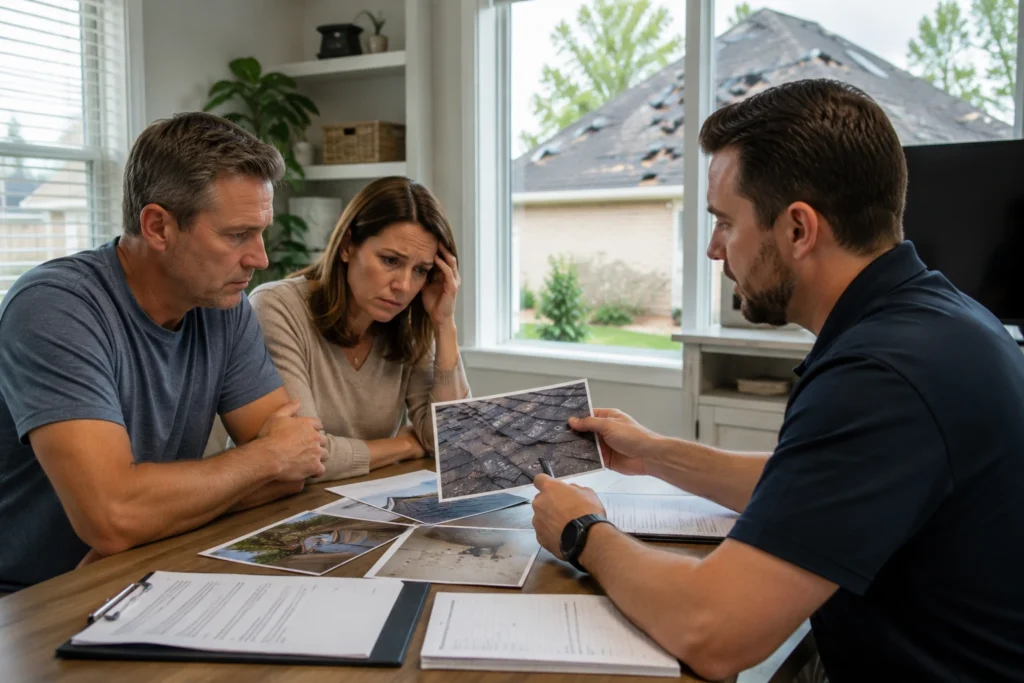
Smart questions reveal important details.
Consider asking:
- Were all roof slopes inspected?
- What damage was excluded?
- Is code compliance included?
- Can supplements be submitted later?
- What depreciation was applied?
- Were ventilation components reviewed?
The answers matter.
Questions Homeowners Should Ask Public Adjusters
Homeowners should vet public adjusters carefully too.
Important questions include:
- Are you licensed in Texas?
- How long have you handled hail claims?
- How do you document roofing damage?
- What percentage fee do you charge?
- Do you handle supplement negotiations?
- How often do you work in Georgetown?
Professionalism matters on both sides of the process.
Red Flags Homeowners Should Watch Closely
Certain warning signs should never be ignored.
Weak Insurance Inspection Red Flags
- Very short inspections
- Few photographs
- Limited roof access
- No attic review
- Minimal documentation
- No collateral damage analysis
Weak Public Adjuster Red Flags
- Unrealistic promises
- Aggressive pressure tactics
- Poor communication
- Lack of licensing
- Vague fee agreements
Trust your instincts. Professional claim handling should feel organized and transparent.
Texas Weather Makes Fast Action Critical
Texas weather changes quickly. A damaged roof exposed to additional storms, wind, and moisture can deteriorate rapidly after hail impacts.
Homeowners should act quickly by:
- Photographing damage immediately
- Scheduling inspections fast
- Mitigating active leaks
- Keeping repair records organized
- Saving all contractor documentation
Waiting too long creates additional problems.
Georgetown Homeowners Should Always Get Multiple Opinions
This may be the single most valuable piece of advice in the entire article. Never rely solely on one inspection after major hailstorms.
Second opinions can uncover:
- Hidden roof damage
- Missing estimate items
- Pricing discrepancies
- Code upgrade issues
- Supplemental opportunities
And sometimes the second opinion confirms the original estimate was fair. Either outcome helps homeowners make informed decisions.
Final Thoughts
The discussion surrounding Public Adjuster vs. Insurance Adjuster for Hail Claims in Georgetown, TX ultimately comes down to representation, documentation, and advocacy. Insurance adjusters represent the carrier. Public adjusters represent the policyholder. That difference affects inspections, estimates, negotiations, supplemental claims, and sometimes the final financial outcome of the entire roofing project.
Some Georgetown hail claims move smoothly from start to finish. Others become frustrating disputes involving hidden damage, underpaid estimates, delayed communication, and incomplete repair scopes. Homeowners who understand the process early place themselves in a stronger position financially and emotionally. And after a serious Texas hailstorm, that knowledge matters more than most people realize.
FAQs
A public adjuster works for the homeowner, while an insurance adjuster works for the insurance company during the claim process.
If your claim is denied, underpaid, delayed, or involves major roof damage, a public adjuster may help protect your interests.
Yes, public adjusters can sometimes reopen claims by presenting additional documentation, inspections, and evidence.
Sometimes they can, especially after large storms when adjusters handle high claim volumes quickly.
Most public adjusters work on a contingency fee basis, meaning they receive a percentage of the claim settlement.
A supplement is an additional payment request submitted when hidden or overlooked storm damage is discovered during repairs.
Simple claims may resolve within weeks, while disputed or supplemental claims can take several months.
Yes, homeowners can usually choose their own contractor instead of using one recommended by the insurance company.
Take photos, prevent further water intrusion if possible, and schedule a professional roof inspection quickly.
Yes, legitimate public adjusters handling Texas claims must hold a state license.