
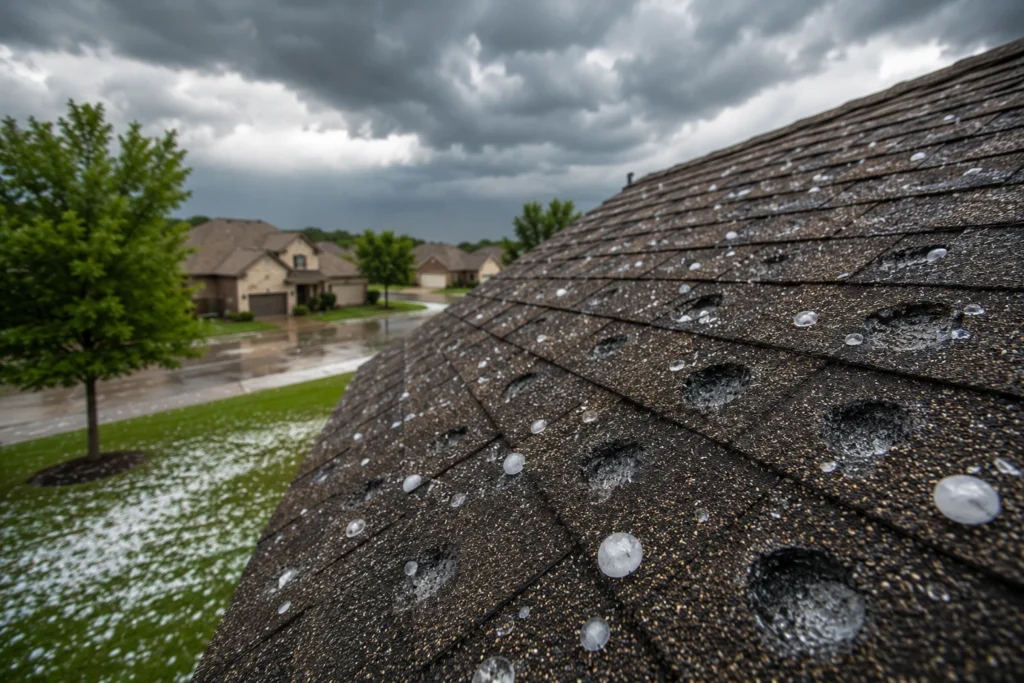
Texas hailstorms do not play around. One storm can leave a roof covered in hidden impact damage while homeowners stand in the driveway thinking everything looks fine from the ground. That happens constantly. And unfortunately, many property owners discover the real problems only after leaks appear, mold develops, or the insurance carrier disputes the claim months later. A successful roof hail damage insurance claim Texas process starts long before the adjuster arrives. It begins with understanding how hail damages different roofing systems, how to document the loss properly, and how to avoid the common mistakes that weaken claims from day one.
In places like Georgetown, homeowners deal with intense weather swings throughout the year. Hailstorms can arrive fast. Damage can spread across shingles, flashing, vents, gutters, windows, and attic systems in minutes. Yet many insurance inspections still miss critical items that later become expensive out-of-pocket repairs. That is why this guide exists. We are going deep into the real-world side of hail claims. Not the watered-down version. The practical version homeowners actually need when trying to protect their roof, their home, and their financial position after a storm.
Why Hail Damage Creates Serious Roofing Insurance Problems
Hail damage is deceptive. Some roofs look perfectly normal from the street while the protective layers underneath are already compromised. Small impacts can bruise shingles, fracture tiles, loosen seams, damage flashing, and reduce waterproofing performance long before leaks become visible inside the home. That creates a major insurance issue. Carriers often focus on visible damage only. Homeowners focus on whether the roof leaks immediately. Meanwhile, hidden deterioration keeps progressing quietly.
Texas sees some of the highest hail-loss activity in the country. Wind-driven storms regularly produce large impacts capable of shortening roof lifespan dramatically. In Georgetown, seasonal hail activity can create repeated stress on roofing systems over time, especially older roofs already exposed to heat and UV deterioration. The challenge is not just filing the claim. The challenge is proving the full scope of damage. That distinction matters enormously during a hail damage on roof insurance claim.
How to Identify Hail Damage by Roof Type
Not all roofs respond to hail the same way. That is where many claim problems begin. Different materials absorb impacts differently. Some show obvious dents. Others hide structural damage beneath the surface. Homeowners who understand those differences usually build stronger claims because they know what to look for early.
Asphalt Shingle Roof Hail Damage
Asphalt shingles are the most common residential roofing material in Texas. They are also one of the most misunderstood during hail inspections.
Common Signs of Asphalt Hail Damage
Look for:
- Granule loss
- Circular dark spots
- Soft bruised areas
- Exposed fiberglass matting
- Creased or fractured shingles
- Random impact patterns across slopes
Granule loss matters more than many homeowners realize. Those granules protect shingles from UV exposure. Once removed, deterioration accelerates quickly under Texas heat. Bruising is another major issue. A shingle may look mostly intact while the asphalt underneath has fractured internally. Over time, that weakens waterproofing capability and increases leak risk.
What Insurance Carriers Often Dispute
This happens constantly.
Insurance adjusters sometimes classify hail impacts as:
- Normal aging
- Manufacturing blistering
- Thermal cracking
- Foot traffic damage
- Wear and tear
Those distinctions affect claim approval dramatically. The stronger the documentation becomes, the harder it is for carriers to minimize legitimate storm damage.
When Asphalt Roofs Require Replacement
A roof does not need active leaks to qualify for replacement. That misconception hurts homeowners constantly.
Functional hail damage may justify replacement when impacts compromise:
| Roofing Component | Why It Matters |
| Shingle surface | Reduces UV protection |
| Seal strips | Increases wind vulnerability |
| Fiberglass mat | Weakens waterproofing |
| Granule layer | Accelerates aging |
| Ridge caps | Creates future leak points |
A weakened roofing system may continue deteriorating long after the storm passes.
Metal Roof Hail Damage
Metal roofs create different claim challenges. Some hail impacts appear cosmetic initially but later affect structural performance, drainage flow, or protective coatings. Signs of Metal Roof Hail Damage
Watch for:
- Dents
- Seam separation
- Coating fractures
- Fastener displacement
- Impact distortion
- Punctures near thinner panels
Insurance carriers frequently argue that dents are “cosmetic only.” Sometimes they are. Sometimes they absolutely are not. If impacts affect water shedding, seam integrity, drainage, or protective finishes, the roof may suffer functional impairment that extends beyond appearance. Commercial metal roof claims become especially complex because even minor panel distortion can affect long-term performance across large roof systems.
Tile Roof Hail Damage
Tile roofs often hide the most dangerous damage. Cracks may appear small from the surface while underlayment damage spreads underneath. Some impacts fracture tiles without fully breaking them apart immediately. Weeks later, leaks appear.
Common Tile Roof Problems After Hail
- Cracked corners
- Hairline fractures
- Dislodged tiles
- Broken ridge caps
- Underlayment punctures
- Water infiltration pathways
Tile claims also become expensive quickly because repairs are labor-intensive and matching materials can be difficult to source. Discontinued products create additional problems during a hail roof damage insurance dispute. If matching tiles are unavailable, partial replacement may create appearance inconsistencies across the roof.
Immediate Steps to Take After a Hailstorm
Fast decisions matter. Very fast. The first 24 to 72 hours after a storm often shape the entire insurance process.
Prioritize Safety
Do not climb onto the roof immediately after hail. Wet surfaces become extremely dangerous. Structural instability may exist in damaged areas. Power hazards may also be present after severe storms. Stay safe first. Claims can wait a few hours.
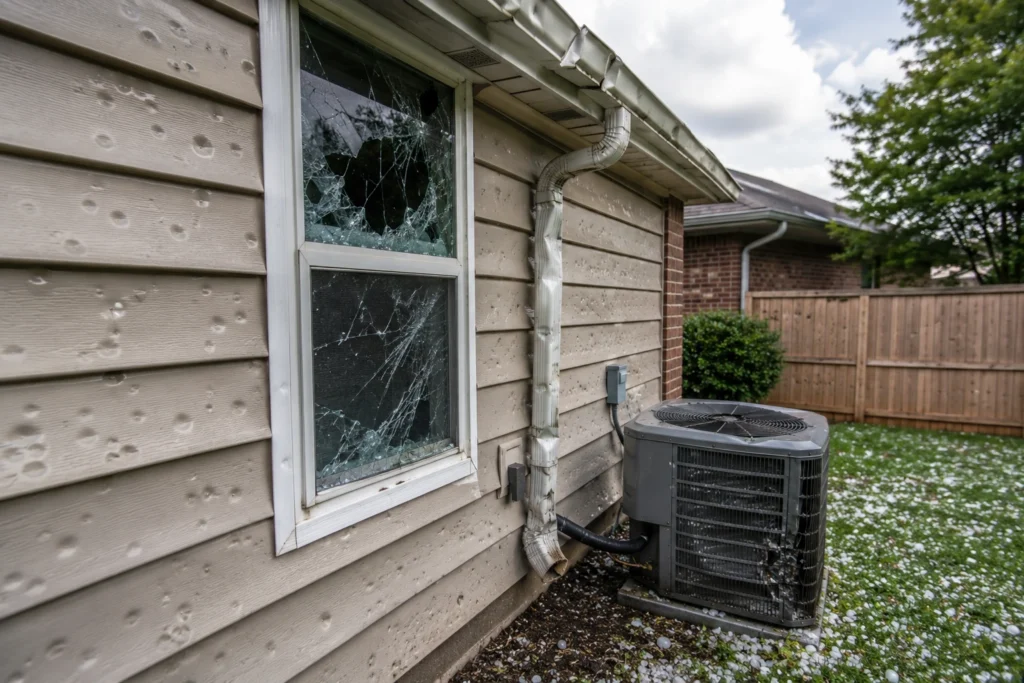
Perform a Ground-Level Inspection
Start from the ground.
Look for collateral indicators like:
- Dented gutters
- Damaged downspouts
- Cracked windows
- Bruised siding
- HVAC fin damage
- Broken screens
- Fence impacts
These surrounding indicators help establish storm severity during a roof hail damage insurance claim Texas process. Collateral damage strengthens causation arguments significantly.
Prevent Additional Damage
Insurance policies usually require homeowners to mitigate further loss. That means reasonable temporary protection steps matter.
Examples include:
- Emergency tarping
- Water removal
- Temporary sealing
- Interior moisture protection
- Removing soaked insulation
Document everything carefully before repairs begin. Take photos. Save receipts. Record dates. That paperwork becomes extremely valuable later.
Contact a Roofing Professional Quickly
Time matters after hailstorms. Not because roofs instantly collapse. Because evidence changes quickly. Wind, heat, rain exposure, and contractor traffic can alter damage conditions over time. Early inspections create stronger baseline documentation before conditions evolve. Homeowners in Georgetown should also remain cautious about aggressive storm-chasing contractors who appear immediately after major weather events. Pressure tactics rarely lead to good outcomes.
How to Document Damage for Your Insurance Claim
This section may be the most important part of the entire guide. Documentation wins claims. Emotion rarely does. Insurance carriers evaluate evidence. Organized evidence changes leverage dramatically. Many homeowners searching for guidance on How to Document Hail Damage for an Insurance Claim quickly discover that detailed photos, attic moisture evidence, contractor reports, and weather verification records often strengthen negotiations significantly during the claim process.
Essential Claim Documentation Checklist
Photos Homeowners Should Capture
Take both wide-angle and close-up images.
Document:
- Entire roof slopes
- Individual hail impacts
- Gutters and downspouts
- Window damage
- Interior ceiling stains
- Attic moisture
- HVAC impacts
- Fence and siding damage
Photograph everything from multiple angles.
Date-stamped documentation helps strengthen timeline verification.
Supporting Documents That Matter
Strong claim files usually include:
- Roofing invoices
- Prior repair history
- Inspection reports
- Contractor assessments
- Weather event reports
- Maintenance records
- Insurance correspondence
The more organized the file becomes, the stronger the negotiating position usually gets.
Detailed documentation often becomes the deciding factor during large roofing disputes, especially when multiple inspections and supplemental negotiations occur. In some complex insurance situations, the level of organization required can feel almost Byzantine, particularly when homeowners must track estimates, policy language, code upgrades, and repair documentation across several stages of the claim process.
The Importance of Attic Inspections
Many homeowners skip attic inspections after hailstorms. That is a mistake. Attics often reveal hidden performance failures insurance carriers initially overlook.
Common Attic Warning Signs
Look for:
- Damp insulation
- Water staining
- Mold growth
- Decking discoloration
- Condensation buildup
- Nail pops
- Ventilation issues
These conditions connect exterior storm impacts to interior performance problems. That connection matters enormously during a hail damage on roof insurance claim.
Understanding the Insurance Inspection Process
Most homeowners have never experienced a major hail claim before. That unfamiliarity creates stress quickly. Understanding the inspection process helps reduce mistakes and improves preparedness.
What Happens During an Adjuster Inspection
Adjusters typically:
- Inspect roof slopes
- Photograph impacts
- Measure roof dimensions
- Evaluate collateral damage
- Document ventilation systems
- Review exterior elevations
Some inspections are thorough. Some are rushed. That inconsistency is one reason estimate differences become so common.
Mistakes Homeowners Make During Inspections
Several errors repeatedly weaken claims.
Common Problems
- Missing the inspection entirely
- Accepting verbal conclusions only
- Failing to document conversations
- Not asking questions
- Allowing incomplete roof access
- Lacking contractor representation
Having an experienced roofing professional present often changes inspection quality significantly. Why? Because adjusters know their findings will receive immediate scrutiny.
What Insurance Carriers Commonly Miss in Their Scope
This happens constantly across Texas hail claims. Initial estimates frequently leave out critical roofing components homeowners later discover are necessary during repairs. Contractors and public adjusters frequently deal with situations similar to Hail Damage Claim Supplements: What Carriers Miss in Their Scope, especially when hidden decking damage, code upgrades, ventilation requirements, or flashing replacement were excluded from the original estimate.
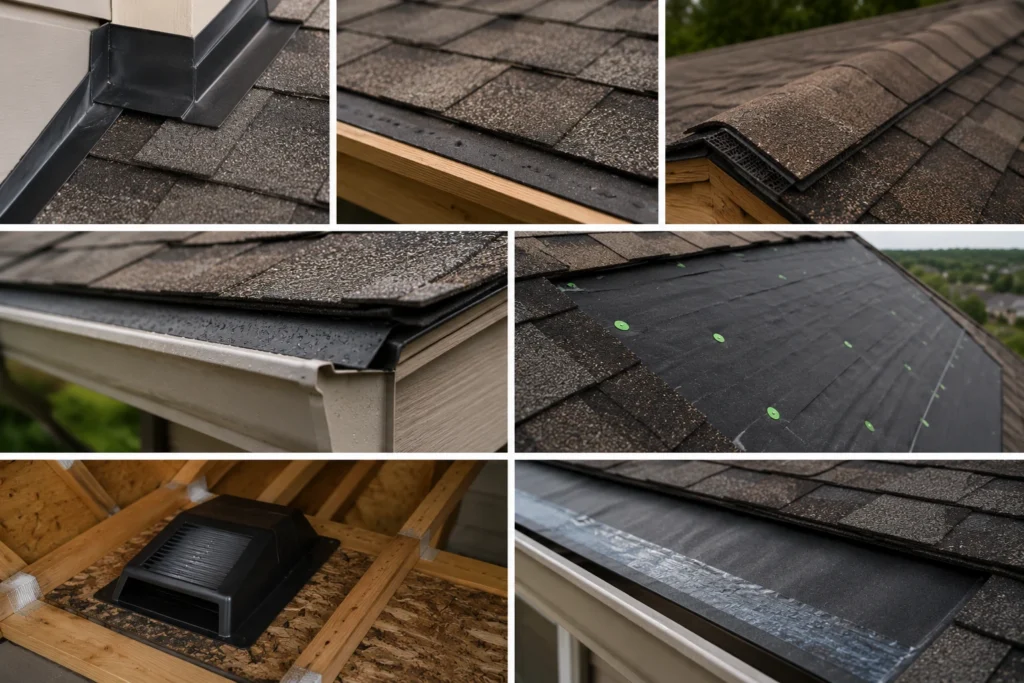
Commonly Missed Roofing Items
| Frequently Missed Item | Why It Matters |
| Flashing replacement | Prevents future leaks |
| Starter shingles | Required for wind resistance |
| Ridge caps | Protect roof peak transitions |
| Drip edge | Supports drainage |
| Underlayment | Secondary moisture barrier |
| Ventilation upgrades | Required for code compliance |
| Ice and water barriers | May be required by code or manufacturer |
These omissions create serious budget gaps during restoration projects.
Why Building Codes Matter
Building codes evolve constantly. Older roofing systems may no longer meet current requirements even if they were compliant when originally installed. This creates supplemental claim opportunities.
Common Code-Related Costs
- Ventilation modifications
- Flashing upgrades
- Fastener requirements
- Deck attachment standards
- Underlayment improvements
Policies containing Ordinance and Law coverage may help address these additional expenses. Many homeowners never realize this coverage exists.
Labor and Access Charges Frequently Overlooked
Roofing is not just materials. Labor complexity changes costs dramatically.
Commonly Overlooked Labor Charges
- Steep roof access
- Multi-story setup
- Safety harness systems
- Debris removal
- Detach and reset procedures
- Material transport logistics
Large or steep roofs often require additional safety measures carriers initially exclude. That creates supplement disputes later.
The Supplement Process Explained
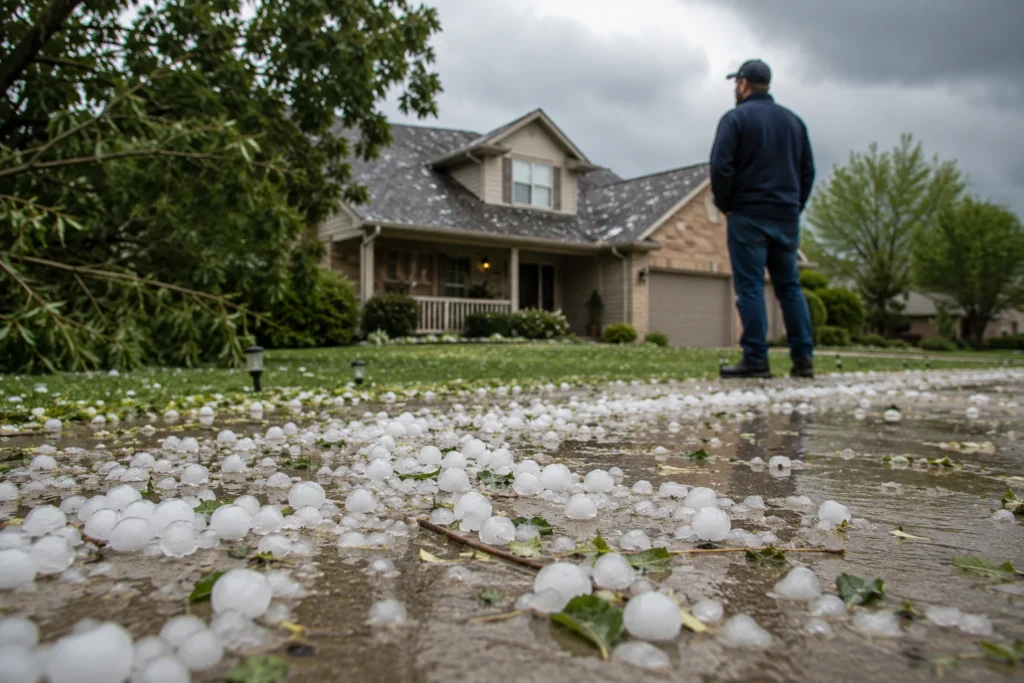
Supplements are incredibly common in Texas hail claims. Very common. They exist because initial inspections rarely capture every issue immediately.
What Is a Roofing Supplement?
A supplement is an additional request for payment after further damage or necessary costs become known. Supplements often arise after:
- Tear-off begins
- Hidden damage appears
- Code requirements emerge
- Additional materials become necessary
This is not unusual. It is part of the normal claim process.
How the Supplement Process Works
Step 1: Additional Damage Is Discovered
Contractors uncover hidden conditions during repairs.
Examples include:
- Rotten decking
- Broken underlayment
- Improper flashing
- Structural deterioration
Step 2: Documentation Is Prepared
Strong supplements include:
- Photos
- Revised estimates
- Manufacturer requirements
- Code references
- Material invoices
Detailed documentation matters enormously here.
Step 3: Revised Estimate Submission
Most supplements use estimating software like Xactimate to present revised scope calculations. This helps standardize pricing discussions.
Step 4: Carrier Review
Insurance companies may:
- Approve items
- Partially approve items
- Request reinspection
- Deny certain charges
Negotiations often continue from there.
Why Supplement Negotiations Become Difficult
Carriers frequently challenge:
- Material pricing
- Labor rates
- Matching requirements
- Code upgrades
- Scope expansion
That tension becomes especially common during widespread storm events when claim volume spikes dramatically. Strong documentation remains the best negotiating tool available. Not emotion. Not frustration. Evidence.
Why a Public Adjuster Changes the Outcome
This is where many homeowners finally gain leverage. A public adjuster represents the policyholder rather than the insurance company. That difference matters enormously.
What Public Adjusters Actually Do
A public adjuster may:
- Review policy language
- Document hidden damage
- Build detailed estimates
- Coordinate inspections
- Negotiate claim scope
- Assist with supplements
- Challenge underpayments
They work for the homeowner. Not the carrier. Understanding the difference between a Public Adjuster vs. Insurance Adjuster for Hail Claims in Georgetown, TX becomes extremely important when homeowners face underpaid estimates, disputed scope items, or complicated supplement negotiations after severe storms.
Public Adjuster vs. Insurance Adjuster
| Public Adjuster | Insurance Adjuster |
| Represents homeowner | Represents insurance company |
| Maximizes settlement scope | Controls carrier exposure |
| Builds detailed claim documentation | Reviews submitted damage |
| Assists supplement negotiations | Evaluates supplement requests |
| Advocates for policyholder | Protects carrier interests |
That distinction changes the entire claim dynamic.
Why Public Adjusters Improve Outcomes
Large hail claims involve enormous documentation demands. Many homeowners simply do not have the time, experience, or technical knowledge to manage everything effectively alone.
Key Advantages Public Adjusters Bring
- Thorough inspections
- Better documentation organization
- Stronger negotiation leverage
- Policy interpretation experience
- Supplement coordination
- Dispute management
This becomes especially valuable during denied or underpaid claims.
What to Do If Your Claim Is Denied
A denial is frustrating. But it is not always final. Many claims reopen successfully after additional evidence emerges.
Common Reasons Claims Get Denied
- Alleged wear and tear
- Insufficient evidence
- Filing delays
- Lack of storm verification
- Prior damage arguments
Understanding the denial reasoning matters first.
How to Respond Strategically
Do not panic. Start gathering additional evidence immediately.
Smart Next Steps
- Request written denial explanation
- Obtain independent inspections
- Gather weather verification reports
- Photograph hidden damage
- Review policy language carefully
- Consider professional representation
Homeowners researching What to Do If Your Hail Claim Was Denied in Georgetown, TX often find that additional inspections, supplemental documentation, and professional policy review can sometimes reopen discussions and uncover damage the carrier initially overlooked. Strong supplemental evidence sometimes changes outcomes dramatically. Especially in a disputed roof hail damage insurance claim Texas case.
Preventing Future Roofing Insurance Problems
Preparation creates leverage. Homeowners who maintain organized records usually navigate future claims far more efficiently.
Smart Preventive Steps
- Photograph roof annually
- Save repair invoices
- Maintain contractor records
- Store policy documents digitally
- Monitor attic conditions
- Schedule periodic inspections
These records establish pre-loss conditions before storms occur. That matters more than many people realize.
Preparing Before the Next Texas Hailstorm
Waiting until after a major storm creates chaos. Everyone suddenly needs contractors. Insurance lines overload. Inspection schedules explode. Prepared homeowners handle those situations better.
Build a Storm Preparation File
Include:
- Insurance policy copies
- Contractor contacts
- Roof age records
- Maintenance history
- Inspection reports
- Annual photographs
Simple preparation now can dramatically strengthen future claims later. Especially for homeowners in Georgetown who face recurring seasonal hail exposure.
Final Thoughts
A successful hail claim is rarely about luck. It is about preparation, documentation, persistence, and understanding how the process actually works. Too many homeowners assume the insurance company will automatically identify every issue, calculate every necessary repair, and fully protect their interests from the beginning. That is not always reality.
A strong roof hail damage insurance claim Texas process requires organized evidence, fast action, and detailed inspections. Hidden damage can easily go unnoticed. Initial scopes can miss major components. Supplements often become necessary. Negotiations may continue long after the first inspection ends. The homeowners who usually achieve better outcomes are the ones who stay proactive.
They document carefully. They ask questions. They understand their roof system. And when necessary, they bring in experienced professionals who know how to challenge incomplete scopes and strengthen the claim properly. That approach protects more than the roof. It protects the investment underneath it.
FAQs
Most insurance policies require prompt reporting, so homeowners should file as soon as possible after discovering damage.
Some policies exclude cosmetic damage, but functional damage affecting performance may still qualify for coverage.
Yes. Hidden hail impacts can weaken roofing materials and eventually lead to leaks over time.
Start with a safe ground-level inspection, photograph visible damage, and contact a roofing professional quickly.
Contractors often identify additional damage, code upgrades, and labor requirements carriers initially miss.
A supplement is a request for additional insurance funds after hidden damage or extra repair costs are discovered.
A public adjuster may help strengthen documentation, negotiate scope disputes, and assist with underpaid claims.
Yes. Additional inspections, new evidence, and supplemental documentation sometimes lead to reopened claims.
Granule loss, bruising, circular impact marks, and cracked shingles are common indicators of hail damage.
Attic moisture, stains, and insulation damage can help connect roof impacts to interior performance issues.